Why Storytelling Video Builds Donor Trust (And Keeps Them Giving)
Every nonprofit Executive Director has heard the same advice: "tell your story." But most nonprofits already have a story. What they're missing is proof that someone believed it enough to act on it.
That's the real function of storytelling video in the nonprofit sector. It's not a marketing accessory. It's a trust mechanism. And trust, not awareness, is what determines whether a donor gives once or gives for the next ten years.
Donors Don't Retain Because of Awareness. They Retain Because of Belief.
Nonprofit marketing teams often measure success by reach: views, impressions, shares. Those numbers matter for visibility, but they don't predict donor retention. What predicts retention is whether a donor believes their gift changed something real.
A well-produced story video, a beneficiary sharing their experience in their own words, a program officer walking through outcomes, a founder explaining the "why" behind the mission, gives donors something a newsletter or annual report can't: proof, delivered by a human face, in real time.
This is why video consistently outperforms text-based donor communication for second and third gifts. It's not the production value doing the work. It's the credibility of a real story, told without a filter.
The Mistake Most Nonprofits Make With Video
The most common misstep isn't a lack of budget. It's treating video as a one-time deliverable instead of a donor journey tool. A single gala highlight reel or a one-off campaign video gets used once and shelved.
Organizations that see the best return from video treat it as infrastructure: a library of short, specific stories mapped to different points in the donor journey. A welcome/onboarding story for new donors, an impact update for mid-tier donors, and a legacy or capstone story for major gift conversations.
What This Looks Like in Practice
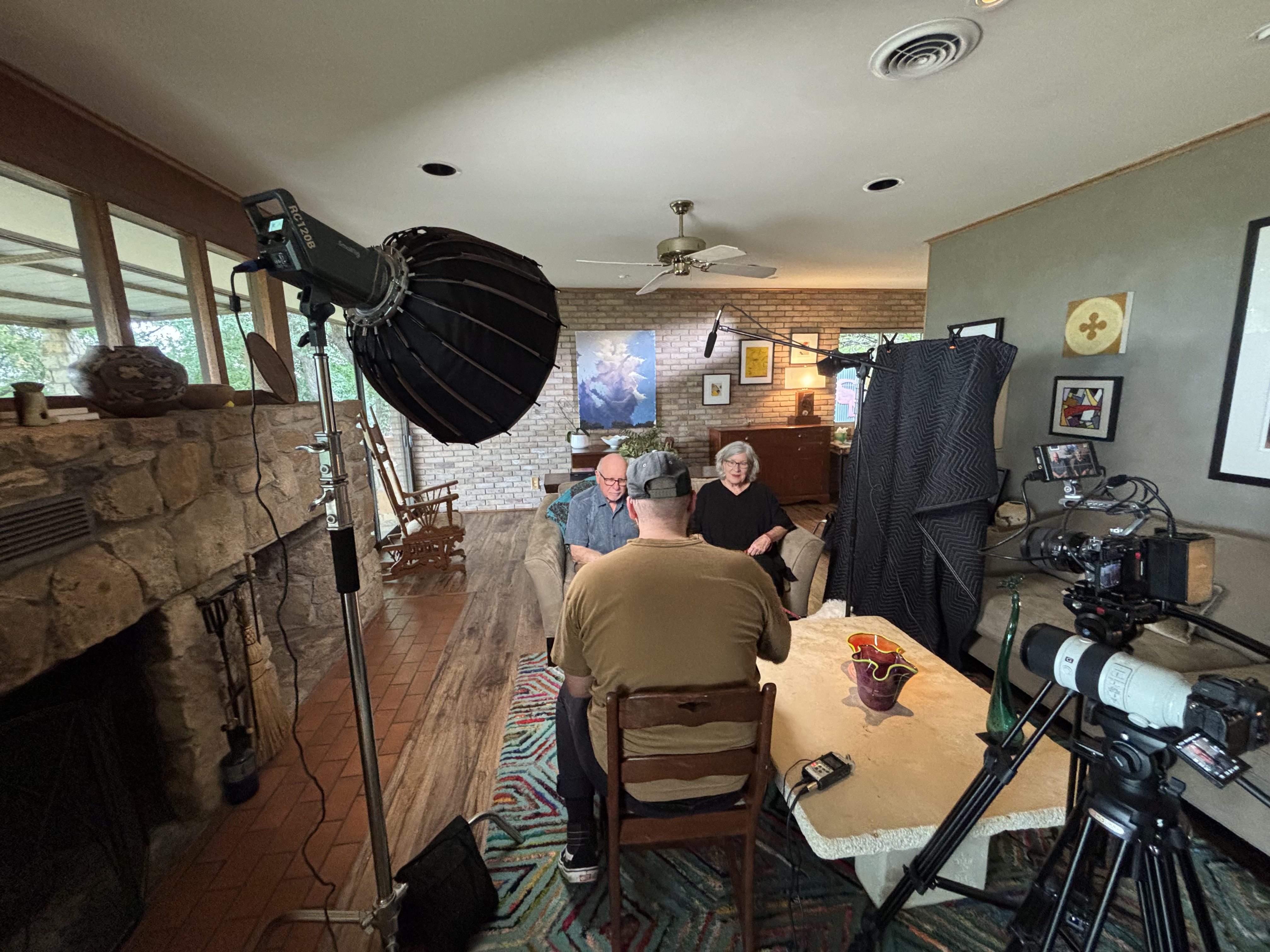
Interview-driven, not script-driven. The most trusted nonprofit videos let the subject speak in their own words, with light editorial structure rather than a scripted read.
Short-form first. A 60–90 second version built for email and social almost always outperforms a 5-minute version for initial engagement. Save the longer cut for your website or a major donor presentation.
Tied to a specific ask. Every story video should end with a clear, singular next step, not a generic "donate now," but a specific action tied to the story just told.
The Takeaway for EDs and Marketing Directors
If your organization is investing in storytelling video, the ROI question isn't "how many views did we get." It's "did this move a donor closer to their next gift." That reframe changes everything about how the video gets planned, shot, and used.
Learn more about how we partner with nonprofits and see our content examples in case study form here: https://digitalsonder.co/nonprofit-video-production


